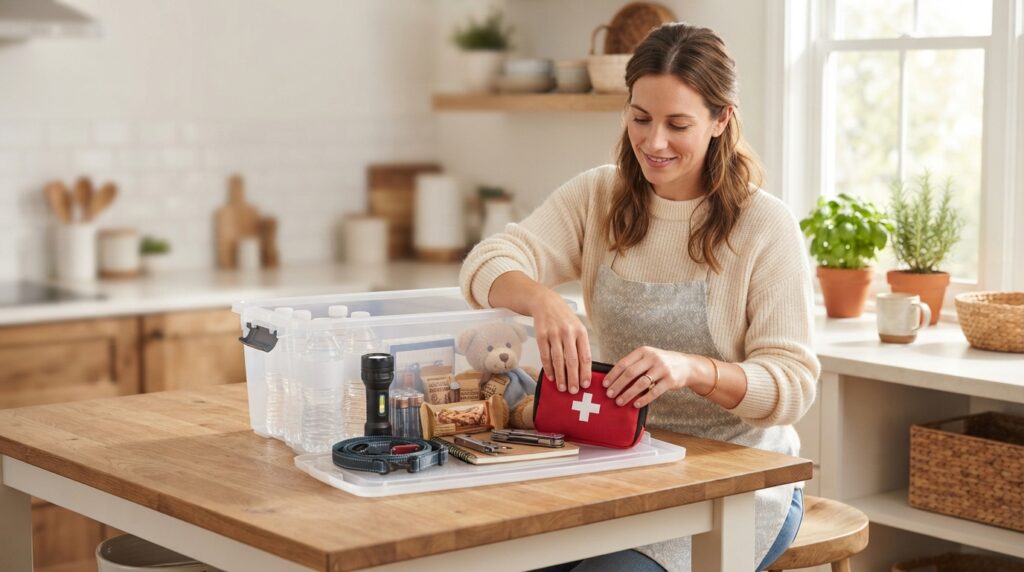
Okay, real talk. Building a family emergency kit is one of those grown-up tasks that can sit on the mental to-do list forever. You know it matters. You mean to do it. Then life happens, and it is still sitting there.
I finally stopped thinking about a family emergency kit as one massive, expensive project. Instead, I treated it like a practical Amazon shopping list: start with the basics, add what my family needs, and keep it in a spot we can reach quickly. And honestly? It feels good knowing we have a plan.
This family emergency kit checklist is an organization and shopping guide, not a replacement for local emergency instructions, professional medical advice, or your household’s individual plan. The official Ready.gov Build A Kit guidance is the best place to start for current recommendations. Use the list below to build your own practical version, then adjust it for your home, climate, health needs, pets, and children.
Start with the basics, not a giant cart
The best family emergency kit is one you can find, carry, and maintain. You do not have to buy every item in one late-night shopping session. Begin with core supplies, then build in small batches. A clear storage bin, a duffel bag, or another easy-to-carry container is a good starting point. Keep a short list in your phone so you know what is still missing.
Build your core supply list
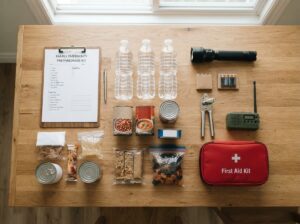
Ready.gov recommends planning for water, non-perishable food, a flashlight, extra batteries, a first aid kit, a radio, sanitation supplies, a manual can opener, local maps, chargers, and a backup battery. It also recommends one gallon of water per person per day for several days.
Do not assume a prepacked kit contains everything your household needs. Some are a convenient starting point, but the item list, quantity, expiration dates, and portability still need a close look. Compare what is included with your family checklist before you buy.
Make it easy to grab
Put supplies where every adult in the home can find them. Avoid a buried closet shelf, a garage corner blocked by bins, or a cabinet a child can easily open. Add a label, tell the family where the kit lives, and include a simple paper list of contact numbers and meeting information.
Build the kit around your real family
A basic list is only the first layer. Families have different ages, routines, medical needs, pets, and weather concerns. The most useful Amazon family emergency kit is the one that reflects your people, not a generic photo online.
Plan for babies and young kids
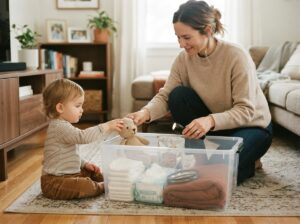
If you have a baby or toddler, add the supplies that would be hardest to replace in a hurry. Ready.gov specifically lists infant formula, bottles, diapers, wipes, and diaper rash cream as items to consider. Think about comfort, too. A small book, quiet game, stuffed item, or familiar activity can help fill a stressful wait without taking up much space.
Be practical about size changes and shelf life. Add a reminder to review diaper size, replace used items, and rotate anything with an expiration date. The same rule applies to snacks, formula, and baby food.
Do not forget pets and everyday health needs
Pets need their own supplies. Include food, water, a leash or carrier, bowls, and current identification information. For medicines, glasses, mobility items, or other health needs, follow your clinician’s and pharmacist’s instructions. Keep a current medication list and get qualified advice about specialized supplies.
The American Red Cross survival-kit guidance also recommends adapting supplies for individual household members, including baby supplies, medical items, pet supplies, and activities for children. That is a helpful reminder that one family’s complete kit may look very different from another’s.
Shop Amazon with a simple system
Amazon is useful here because you can group supplies into one list and buy items over time. But convenience should not replace comparison. Before you purchase, read the current product description, included quantity, dimensions, battery type, expiration information where relevant, and recent reviews. A compact flashlight or radio is only useful if you understand what it needs to work.
Create five small shopping categories
Break your family emergency kit checklist into five lists: water and food, light and power, first aid and sanitation, baby or pet needs, and documents or comfort items. This keeps one huge cart from feeling overwhelming. It also makes it easier to decide what you can buy this month and what can wait until the next.
For recurring basics such as wipes, batteries, or pantry items, Mommazon’s guide to Amazon Subscribe and Save can help you think through regular household deliveries. Just do not set a subscription and forget it. Review each upcoming delivery, confirm the current price, and make sure the item still makes sense for your emergency-kit rotation.

Compare value, not just price
The least expensive listing is not always the best emergency-kit choice. Consider the number of items, storage size, battery requirements, brand details, and whether a product meets the need you wrote down. If you are trying to keep the project on budget, use Mommazon’s tips on saving on Amazon without sacrificing quality to compare listings carefully. Start with essentials, watch your total, and resist buying extras that do not solve a real problem.
Keep supplies updated and usable
Buying the supplies is only half the job. An emergency kit works best when you check it before you need it. Ready.gov recommends storing food in a cool, dry place, replacing expired items, and rethinking your needs every year. Put one review date on your calendar, such as the start of hurricane season, back-to-school season, or the month you moved into your home.
Use a short annual refresh list
On your review date, check water, food, batteries, flashlights, chargers, first aid supplies, clothing, and comfort items. Replace expired or damaged products. Update documents and contact information. Ask whether your child’s diaper size, your pet’s food, or a family member’s needs have changed. If you moved, update your local maps and emergency meeting plan, too.
Think beyond the home bin
Ready.gov recommends preparing supplies for home, work, and cars because emergencies can happen when you are not in your living room. Your car kit does not need to duplicate every item in the home kit. Keep it focused on supplies that make sense for travel, weather, and unexpected delays. Again, follow local guidance for the risks in your area.
Make progress, not perfection
You do not need to complete your entire family emergency kit checklist today. Start with water, light, food, basic first aid, and the needs of your children or pets. Put those supplies in one clear place. Then add to the kit as your budget and schedule allow.
That small decision can take emergency preparation out of the “someday” category. Make the first list, build the first cart, and set one reminder to review it. Your future self will be very glad you did.